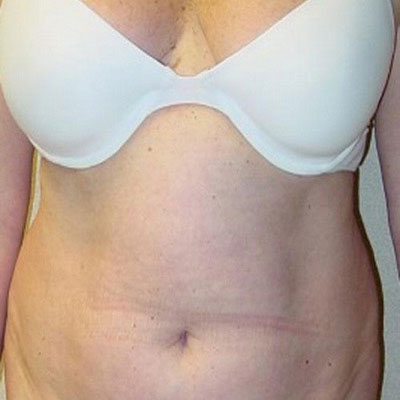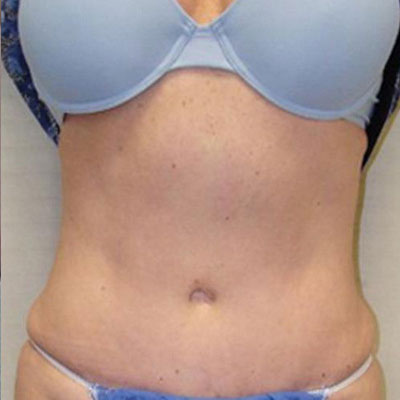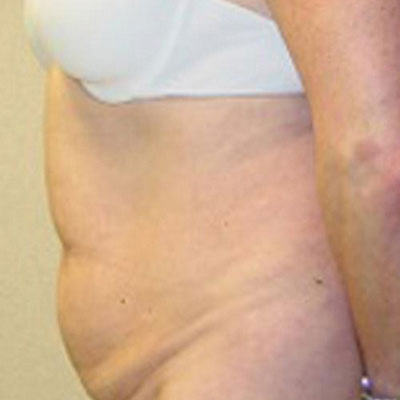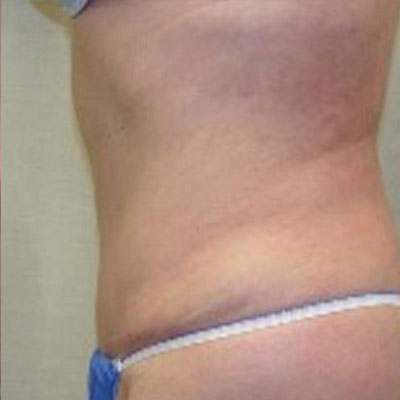
Get Rid of Unwanted Fat
Being the most popular cosmetic surgery procedure in the U.S., liposuction effectively sculpts the body by removing unwanted fat from specific areas that have not changed from diet and exercise alone. These critical areas include the stomach (abdomen), hips, buttocks, waist, thighs, knees, chin, cheeks, neck, and upper arms. With thousands of liposuction procedures performed, it’s no wonder why patients choose Belmont Plastic Surgery when looking for the best liposuction Washington DC has to offer.
 Swipe To Next
Transform Your Body
Liposuction (also referred to as lipoplasty) removes excess body fat through multiple small incisions using suction. While the procedure removes fat, it will not correct the excess skin problems facing many patients with significant weight loss. Liposuction is commonly used as a complementary technique to other procedures we offer, like body contouring.
Take The Weight Off
Many people are aware of dieting and exercise as weight loss methods, but liposuction is an increasingly popular option among men and women who want to lose stubborn fat without compromising their health. This cosmetic surgery procedure removes excess fat from specific areas of your body, such as your thighs or abdomen, by suctioning it out through a small incision. The end result is a slimmer physique that feels and looks healthy—without sacrificing self-esteem.
Goodbye Love Handles
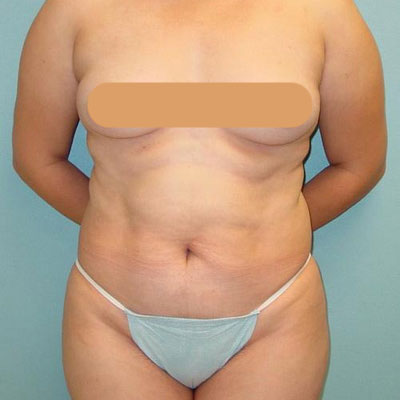
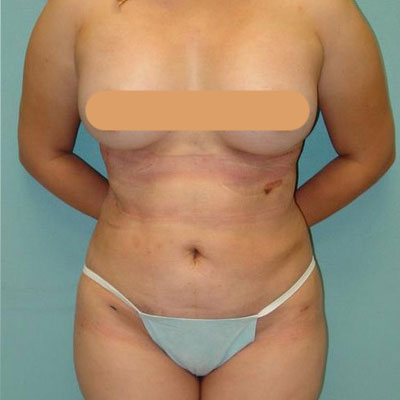
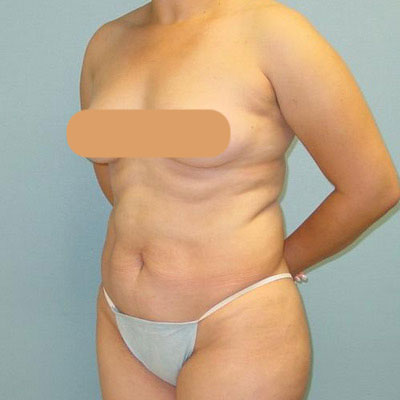
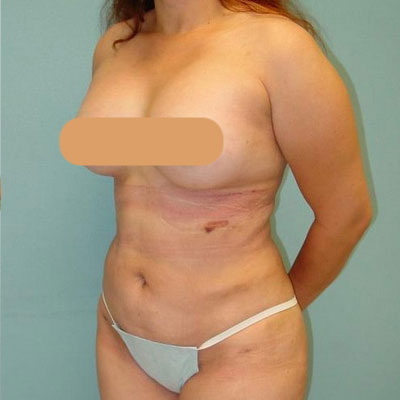
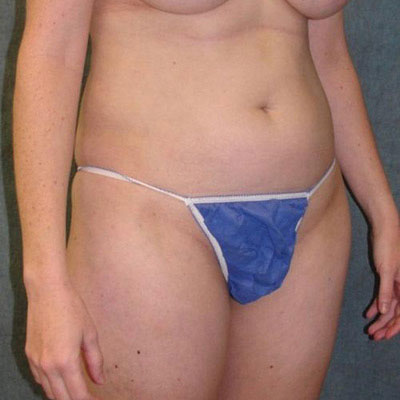
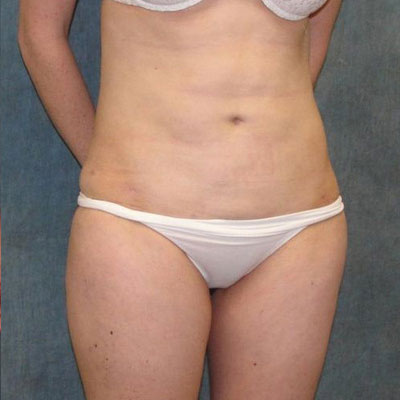
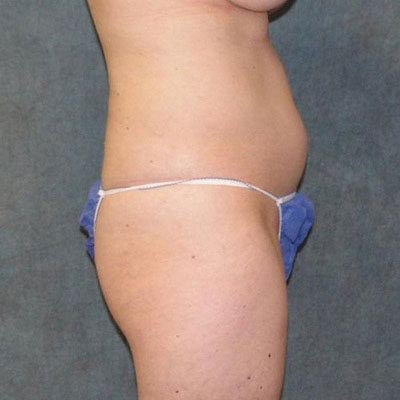
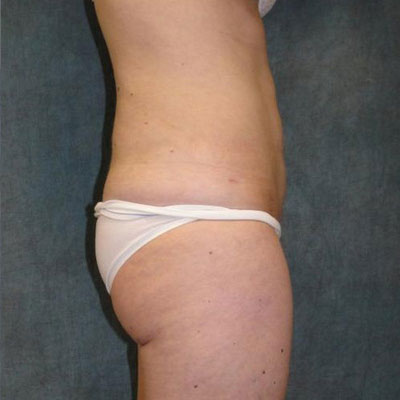
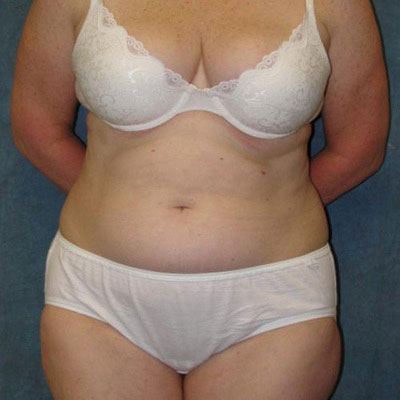
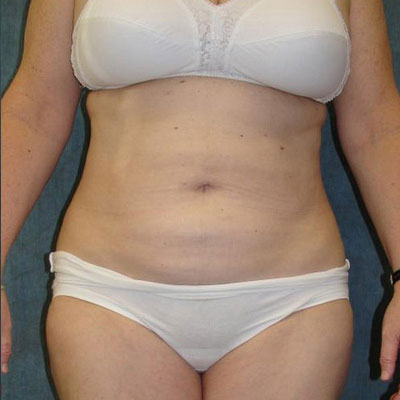
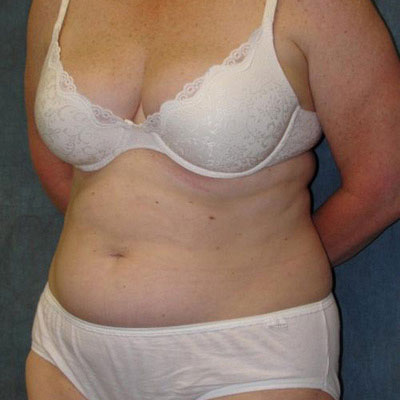
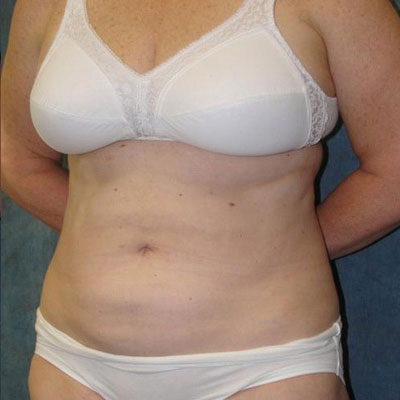
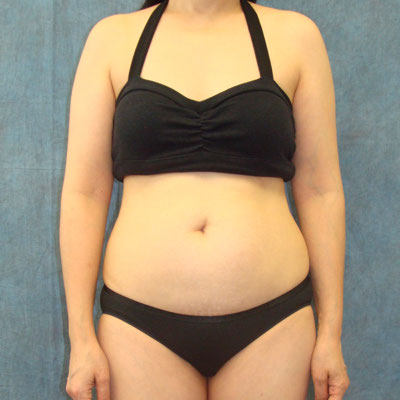
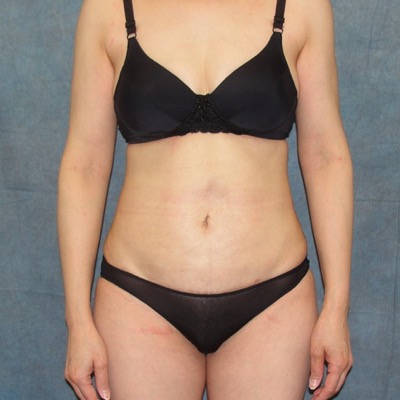
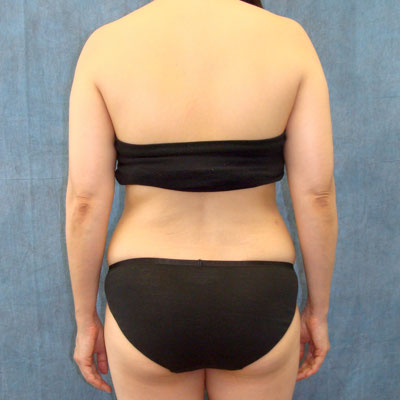
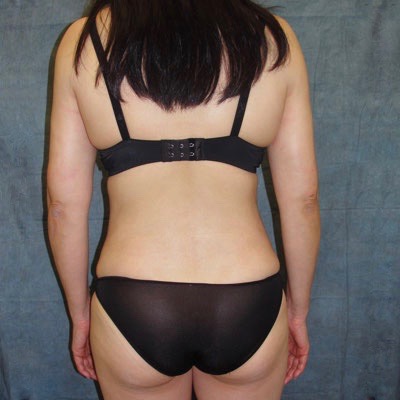
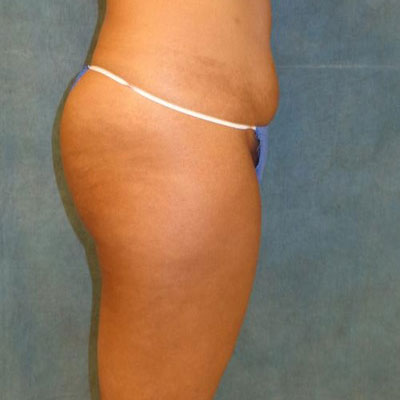
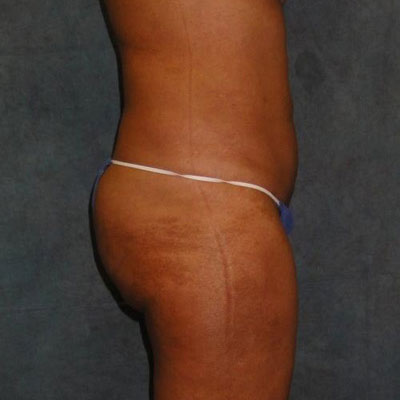
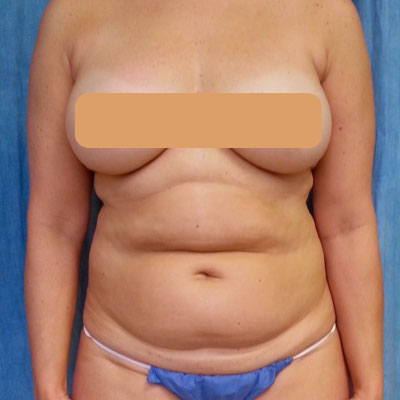
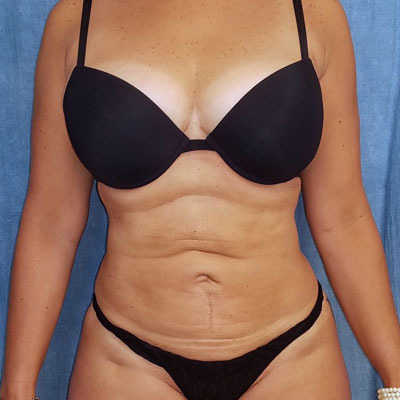
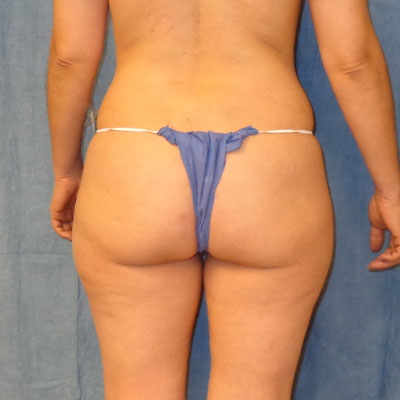
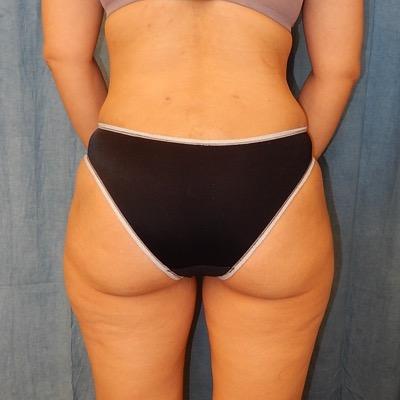
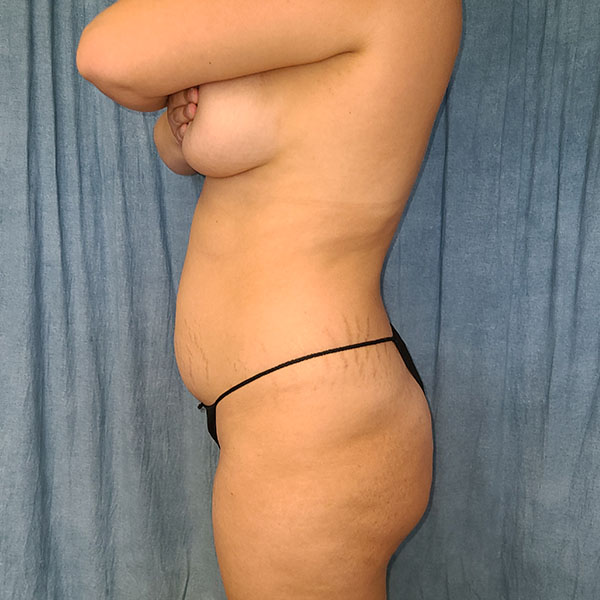
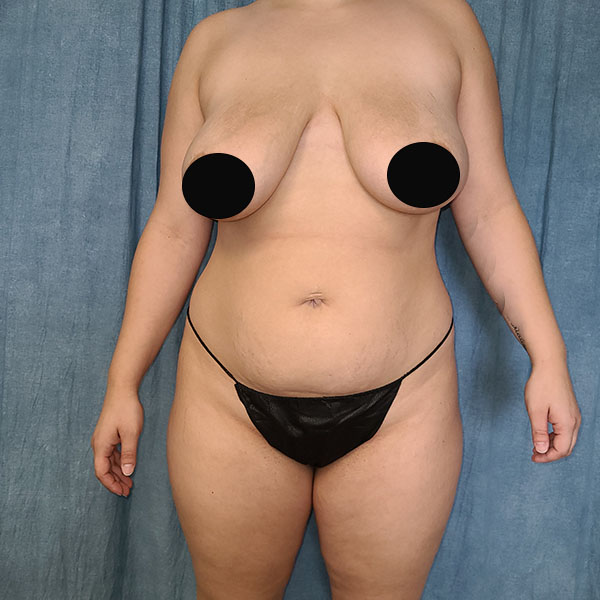
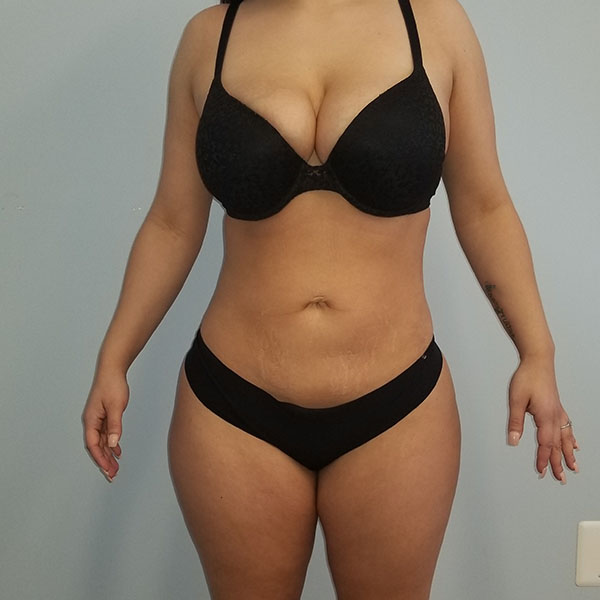
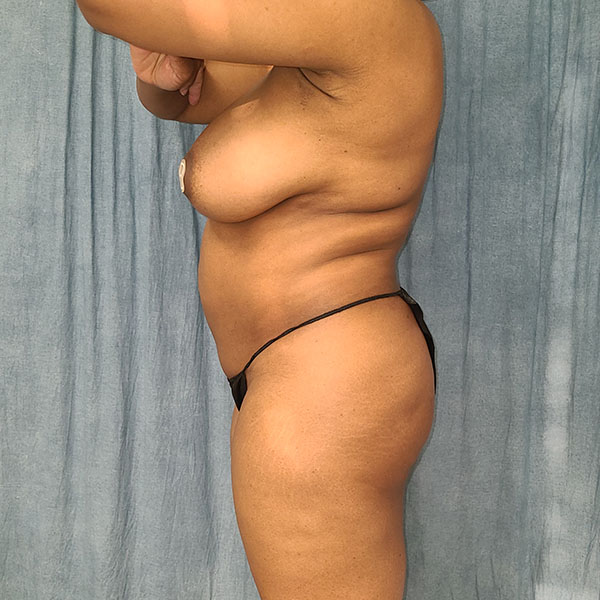
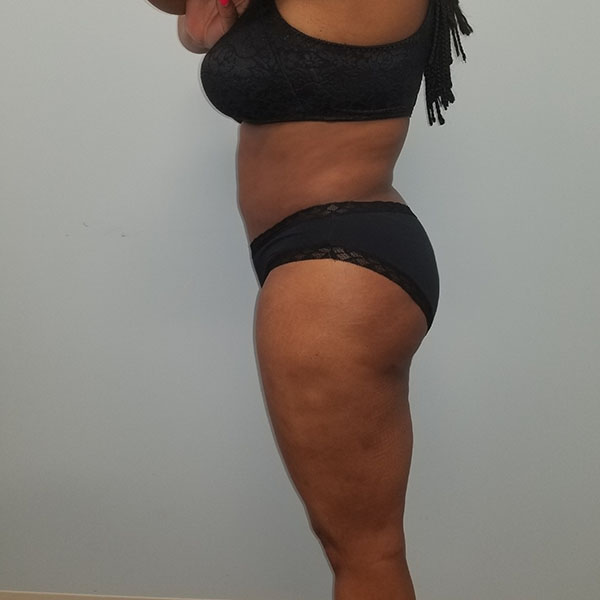
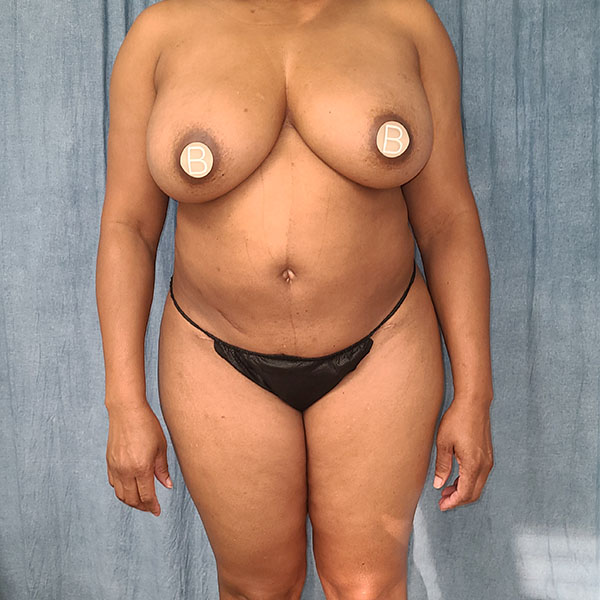
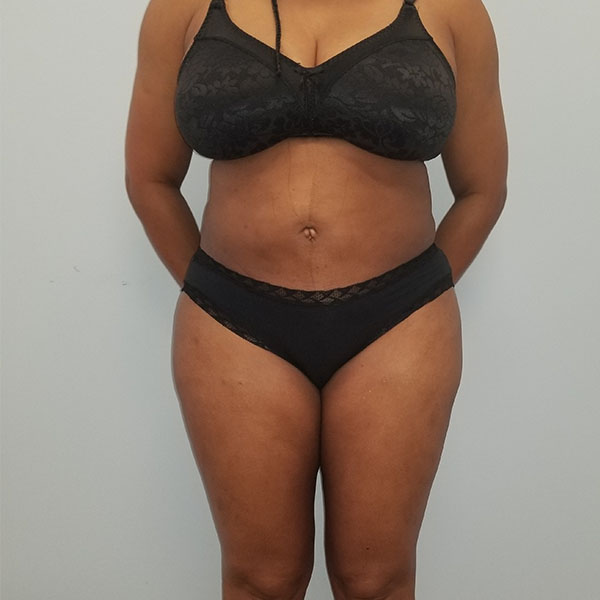
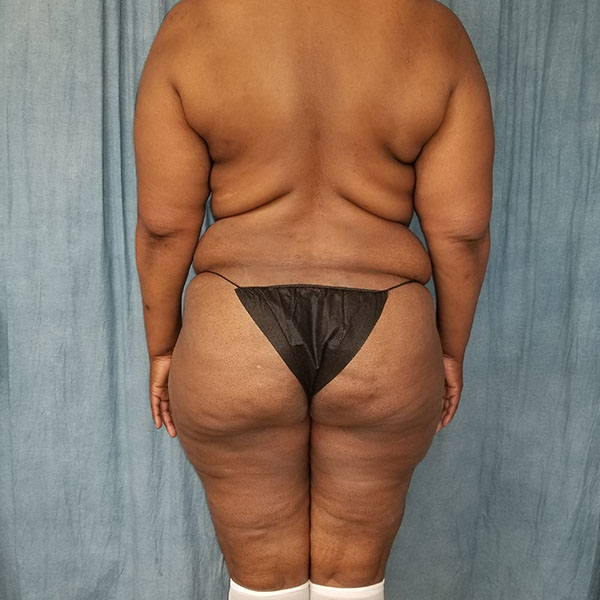
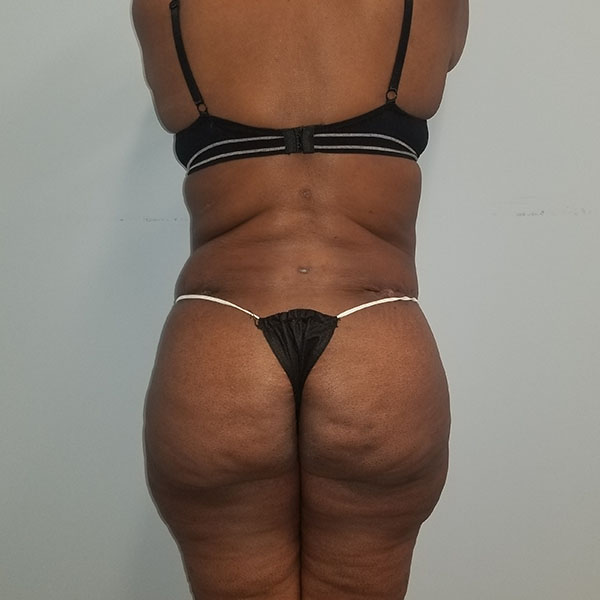
While this procedure may be effective for anyone with excess fat, it is designed to be used in conjunction with exercise and a proper diet to remove stubborn areas of fat. Ideal candidates for liposuction are non-smokers who exercise regularly, maintain a stable weight, and are well informed about the liposuction procedure and its outcomes. Dr. Feledy or Dr. Maiorino will show you before and after photographs of his patients so you can look at his earlier work and see actual results for yourself and what to expect. It is important that you and he agree on the cosmetic details of your surgery in order to obtain the results that you want. The caring staff of Belmont Plastic Surgery will meet with you and make sure that any questions you have about financing and insurance are answered completely.
“I never thought I would say liposuction changed my life, but it is incredible how much it has. Everyone at Belmont was so caring, and Dr. Feledy quite literally saved me from hating my body.”
- D.Z.
Prior to the procedure, a general anesthetic or sedative will be administered. Small incisions will be made at inconspicuous points near the targeted areas.
A sterile solution will be introduced into each of the incisions to minimize bleeding and trauma. The cannula is placed within each hole and swept back and forth to dislodge the excess fat from the connective tissue. Using a syringe or surgical vacuum, the excess fat is then suctioned up through the cannula and the incisions closed.
Innovative Techniques
There are several different methods that plastic surgeons use when performing liposuction, including ultrasound-assisted lipectomy (UAL) and suction-assisted lipectomy (SAL) in which the fluid is first injected into the area of the body to be treated. A tiny incision is made in a place that is as inconspicuous as possible, and a cannula (small tube) breaks up the fat layer and suctions it out. Local anesthesia or general anesthesia may be used, with the procedure lasting anywhere from one to five hours, depending on the amount of fat being removed.
Another option is Vaser Ultrasonic Assisted Liposuction. Vaser Liposuction uses minimally invasive ultrasound technology for precision body contouring. VASERlipo produces eye-catching results in just one procedure, and the technology provides many benefits versus traditional liposuction treatments. By targeting fat in various regions of the body, ultrasonic waves break up and separate fat cells for removal. Surrounding tissue is unharmed, and patients generally experience less pain and consequential bruising. Key benefits of VASERlipo:
With VASERlipo, a small probe transmits ultrasonic sound energy to break up fat upon contact. The liquefied fat is suctioned out to preserve surrounding vessels and nerves. Many patients see immediate results.
MicroAire’s PAL® LipoSculptor™ is the only US-patented liposuction instrument using a reciprocating motion (rather than rotating) to facilitate the movement of the cannula within the tissue. Power-assisted liposuction (PAL) uses a motorized cannula to remove body fat in a significantly speedier, safer way than traditional wands. The PAL uses very small, quick vibrations to break up fat cells which are then suctioned out. Using this technique, a greater amount of fat can be removed in a faster amount of time. PAL’s vibrating tip allows for safer liposuction because of its small, precise motions. Surgeons can target specific areas without damaging surrounding tissue.
This reduces the amount of manual force and physical effort required to perform lipoplasty, especially in areas with fibrous tissue. The result is a more comfortable experience for the patient and a more efficient procedure for the surgeon.Unlike ultrasonic and laser lipoplasty devices, the PAL® LipoSculptor™ does not use heat so there are no concerns for the accidental burning that can occur with other systems and the fat cells are just as healthy and viable as cells harvested using manual liposuction. With a PAL procedure, patients receive a more gentle procedure with a larger amount of fat potentially removed. They also enjoy less bruising and damage to surrounding tissue and experience a speedier recovery. The PAL® System from MicroAire Aesthetics is a patented surgical instrument system used for liposuction and body contouring.
Liposuction Recovery
Compression garments and elastic bandages are often given to control the swelling that occurs following liposuction. Occasionally, it may be necessary to insert small drains in the incisions to remove excess fluids, but this is a rare occurrence. The swelling should subside after a week and the bruising after about three weeks. Many Washington DC liposuction patients return to work in a few days and resume normal activities in one to two weeks.
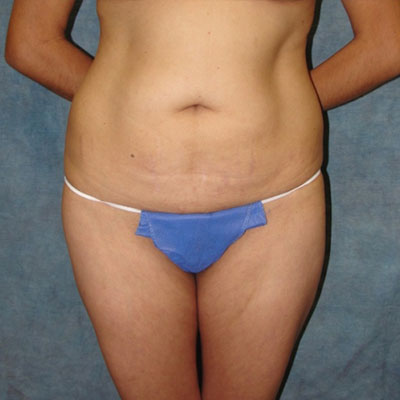
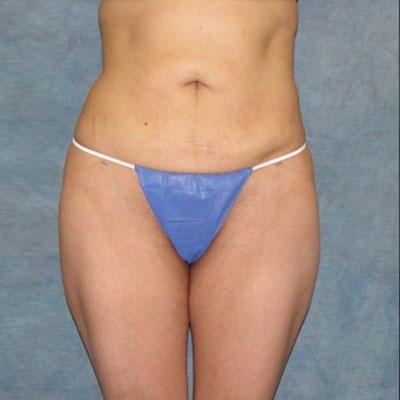
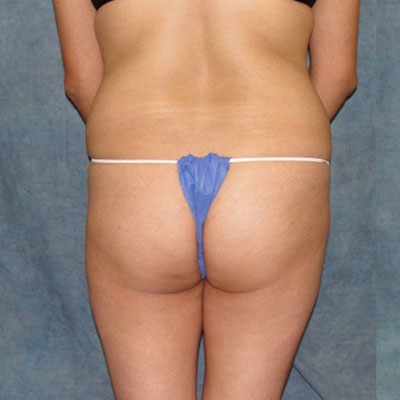
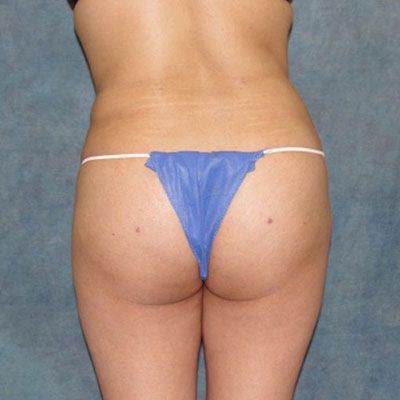
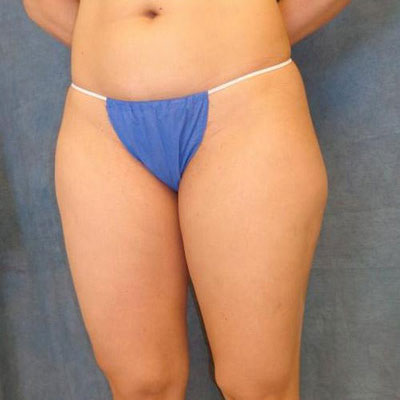
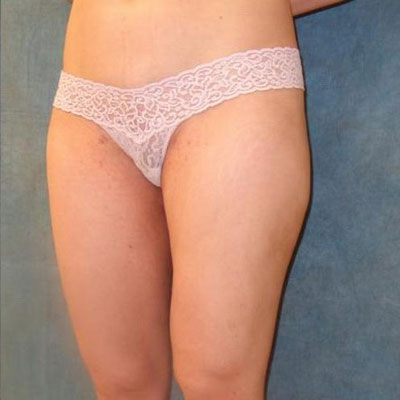
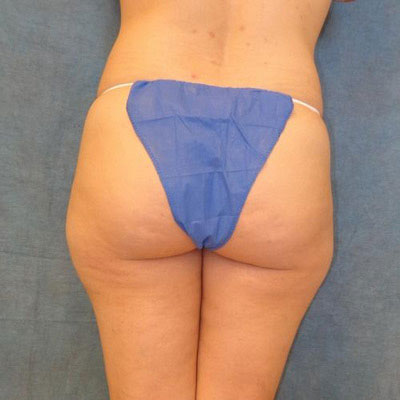
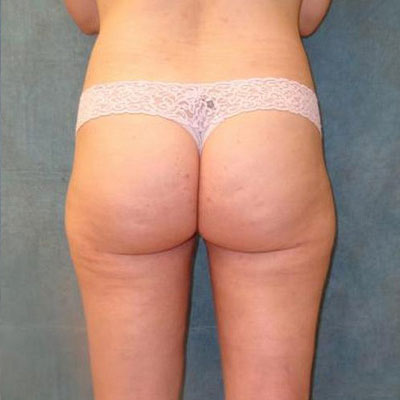
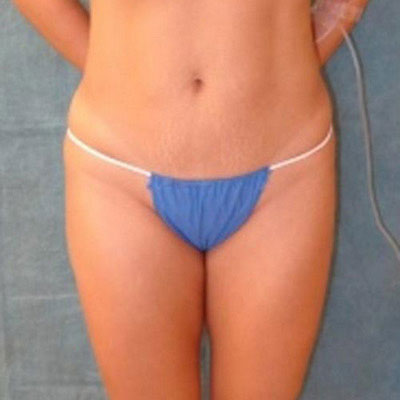
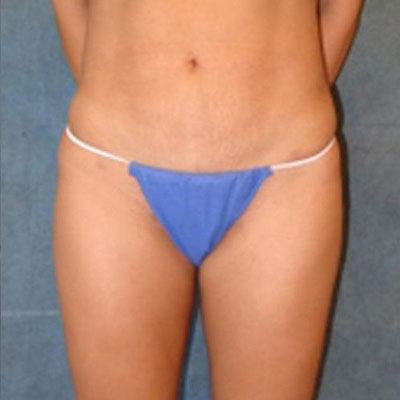
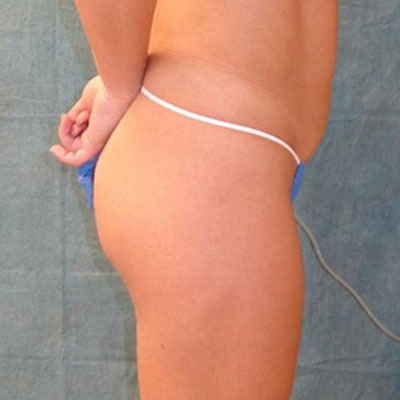
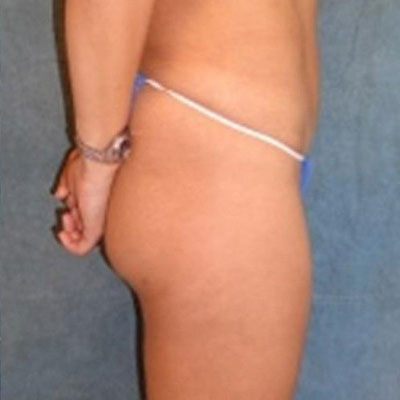
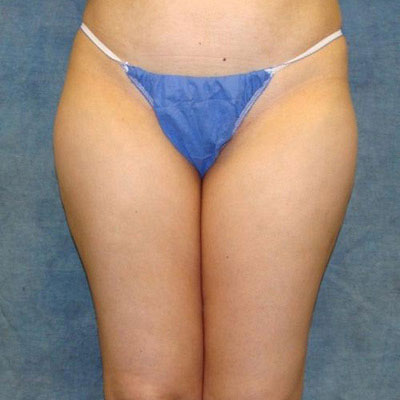
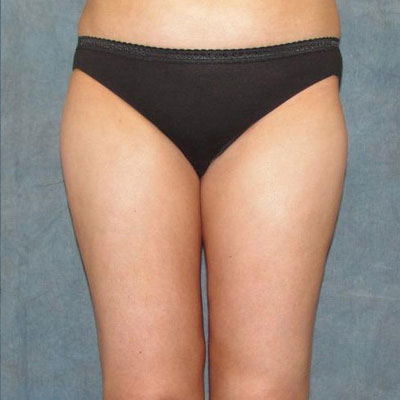
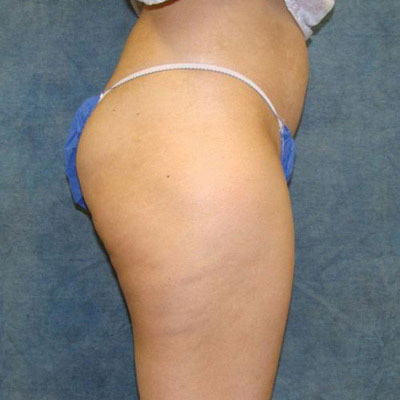
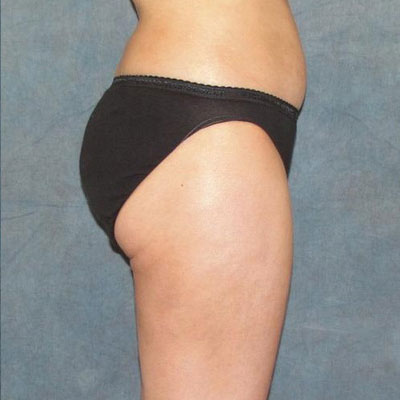
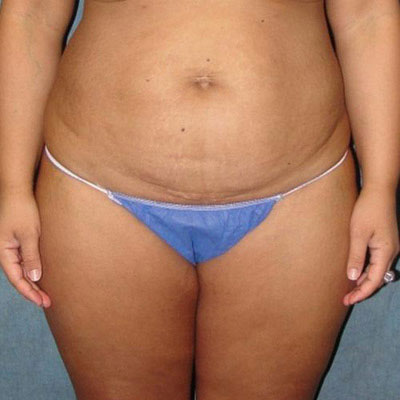
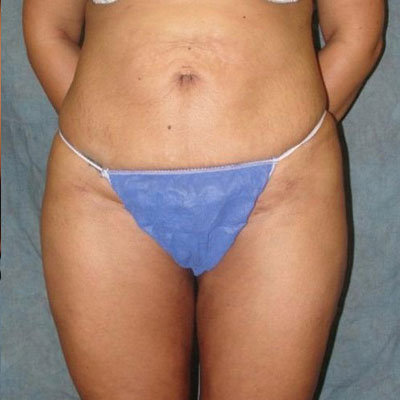
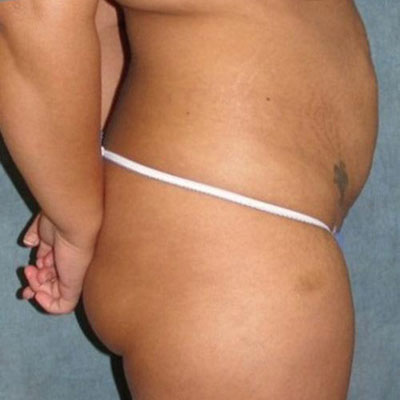
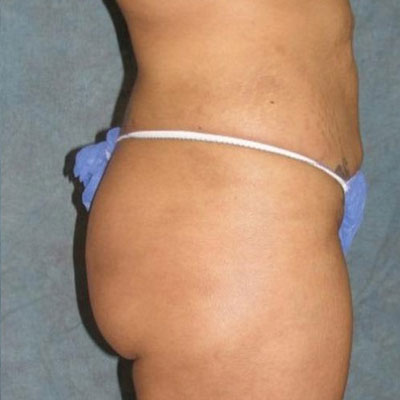
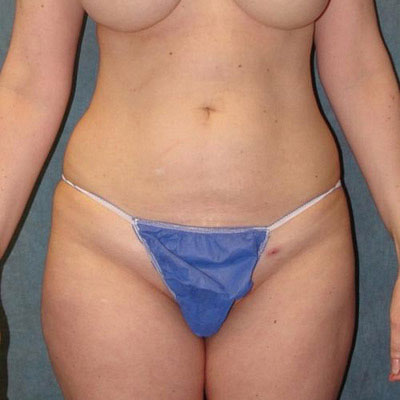
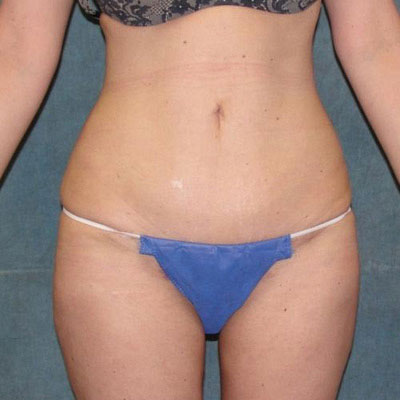
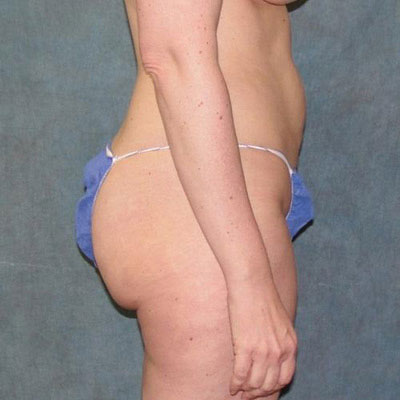
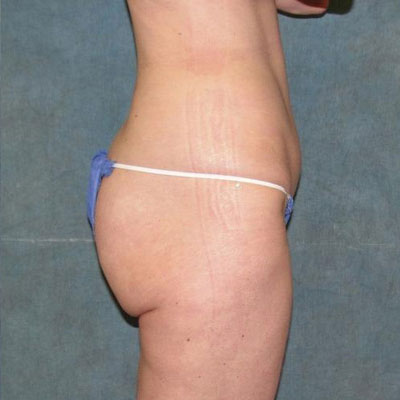
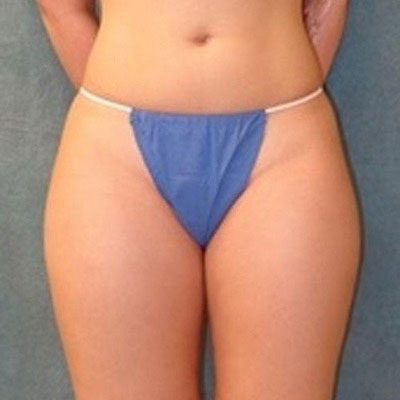
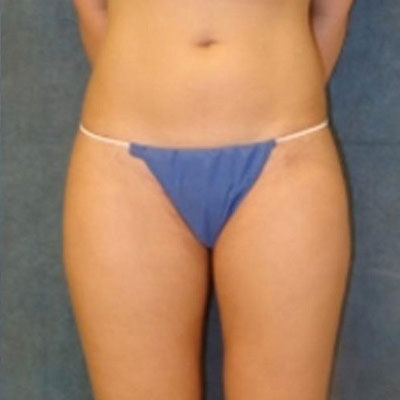
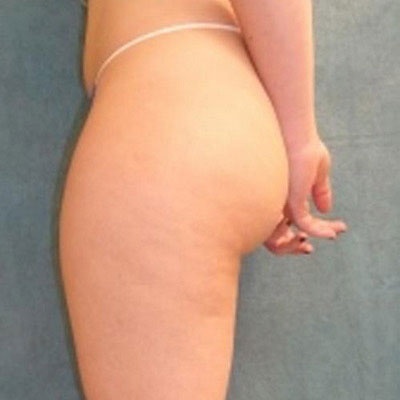
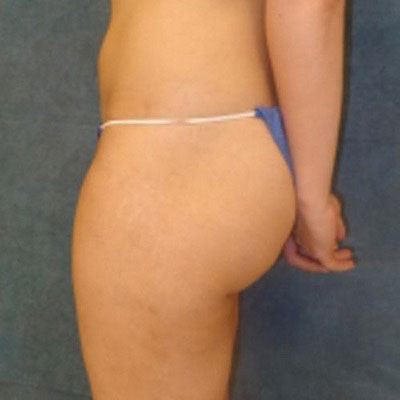
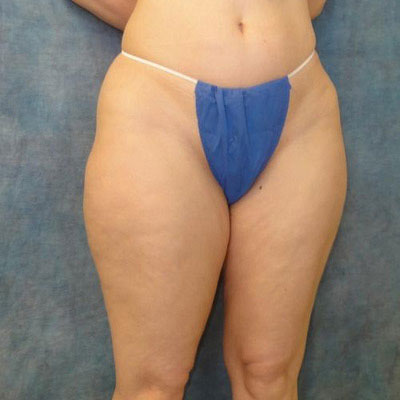
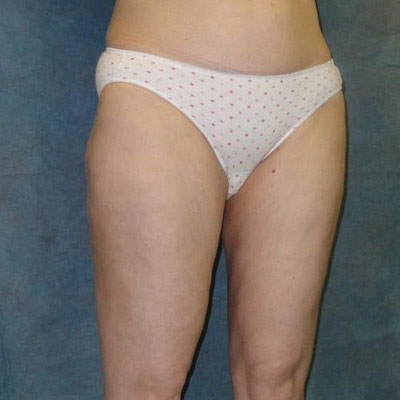
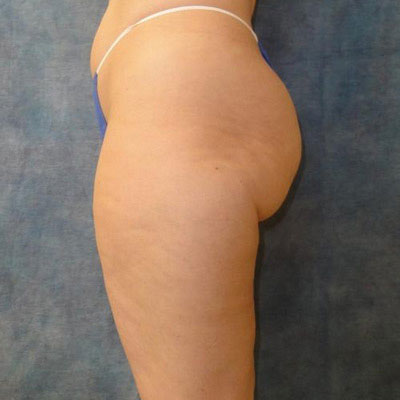
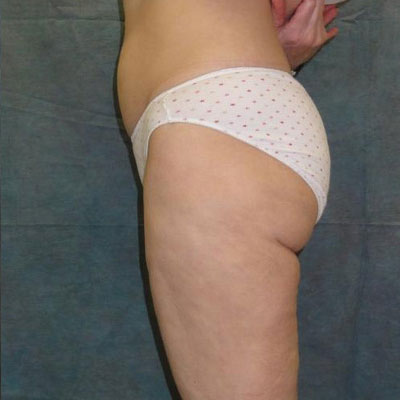
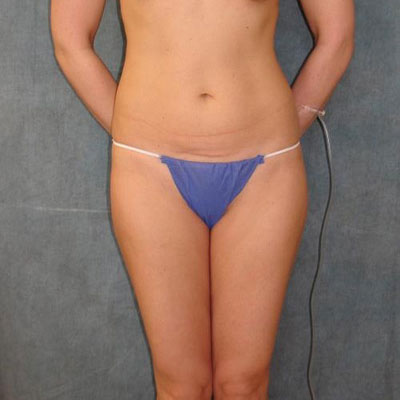
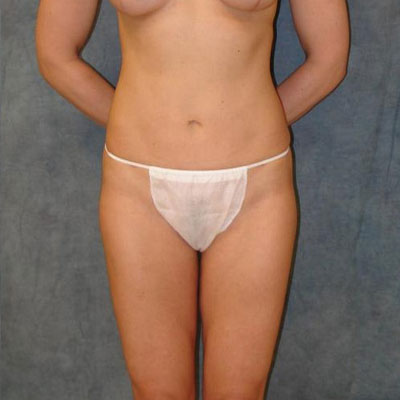
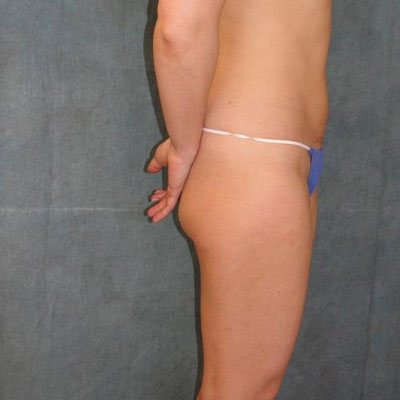
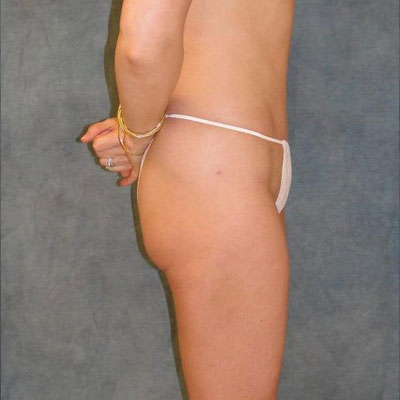
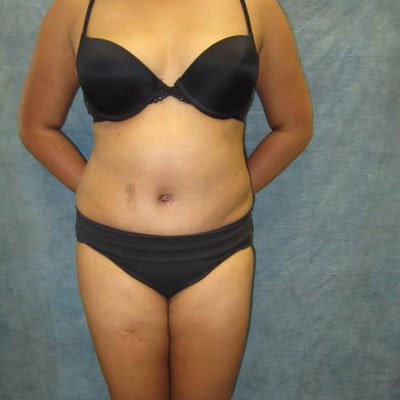
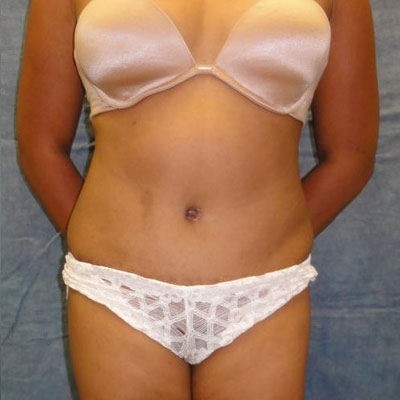
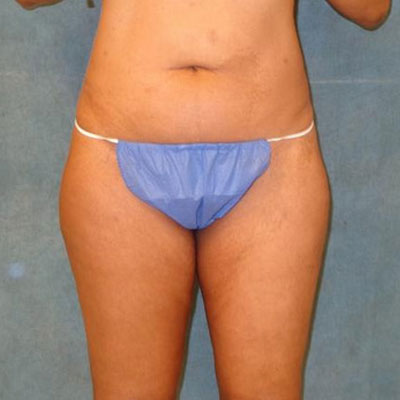
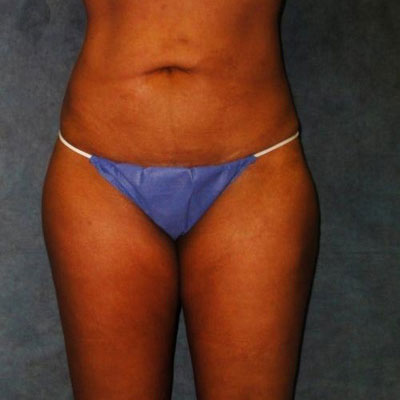
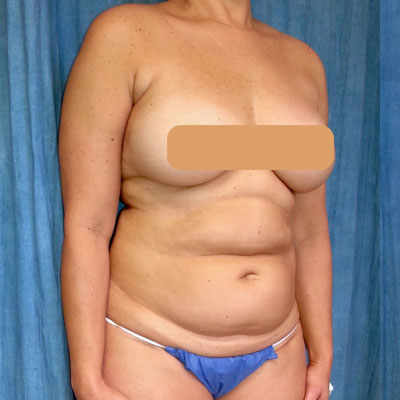
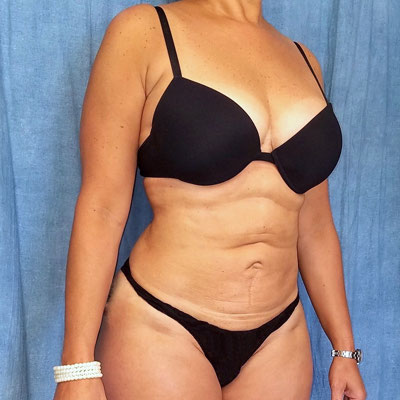
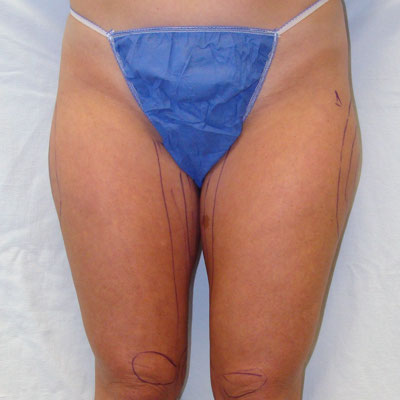
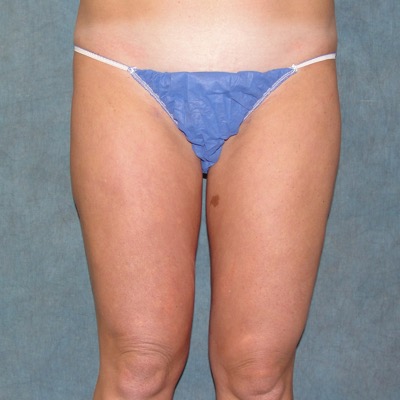
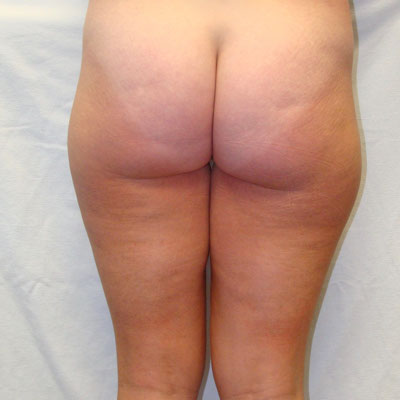
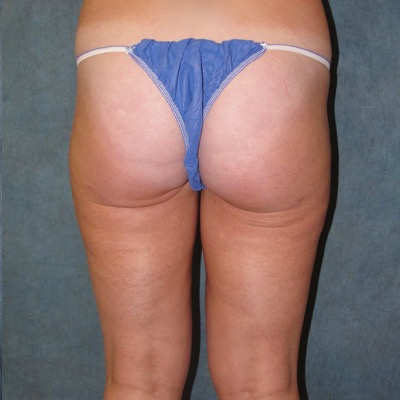
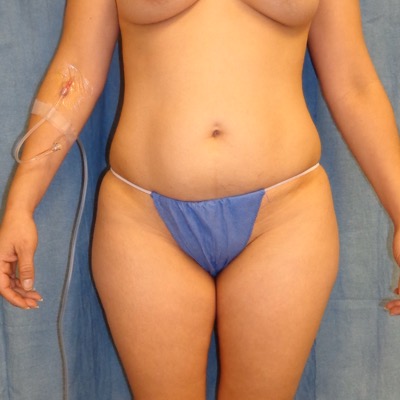
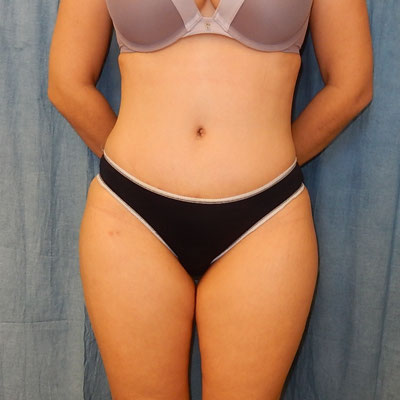
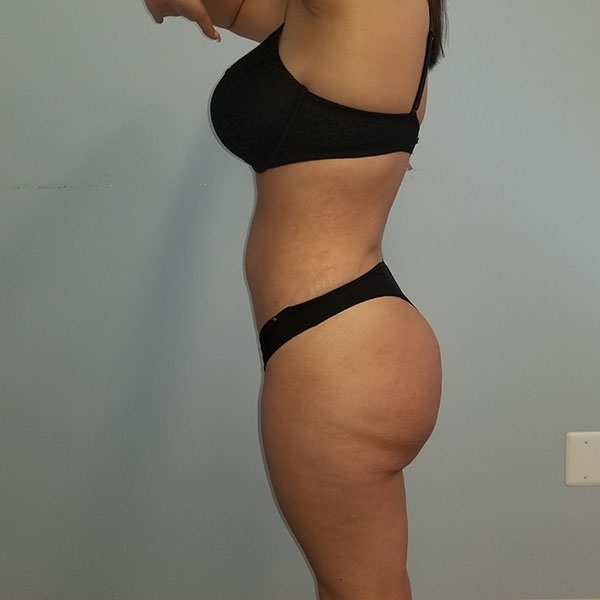
See Belmont Plastic Surgery's liposuction before and after results. It is important to look at before and after images to get an idea of what can be achieved with a surgery and to help guide the process with the doctor to determine the outcome you want.
Time to Go Pants Shopping
After the swelling subsides, you will see a more contoured appearance and a general slimming in the treatment area. While the fat removed is gone for good, other fat cells in the area will still grow and shrink with diet and exercise. As with most cosmetic surgeries, results are greatest when coupled with a healthy diet and regular exercise. The best way to see lasting results is by following your surgeon’s post-operative instructions carefully.
Liposuction Consultation
Contact our staff today to schedule your consultation. Our surgical staff is here to guide you through each step of liposuction. They’ll discuss pre-operative considerations, how long recovery will take, possible risks, costs, and more. Don’t hesitate to contact us if you have any questions; we want to ensure that you have an informative experience from start to finish. We look forward to serving you! Drs. Feledy and Maiorino and the Belmont Plastic Surgery team provide the best options for liposuction in Washington DC. Set up a consultation to determine which method is best for you.
Many people have heard of liposuction, but they don't entirely know what it is or how skillfully and effectively it can help an individual's appearance and resolve areas of fat that haven't seemed to budge with diet or exercise." - Dr. Jules Feledy
As there are different liposuction techniques, there are different risks associated with them. Most of the potential side effects of liposuction involve the appearance of the final body shape and contour. Effective and thorough communication prior to and following the procedure can help prevent many of these potential problems. As with any surgical procedure, there are a few rare side effects such as nerve damage, blood clots, scarring, pain, swelling, or heart and lung complications. There is the risk of bleeding, infection, and poor wound healing. Belmont Plastic Surgery strives to provide the safest liposuction Chevy Chase has available and works to make any procedure as painless and easy as possible.
Liposuction is an excellent cosmetic procedure, but it’s not for everyone. There are some alternative treatment devices on the market that can decrease small areas of fat but their results are often not as consistent as liposuction and are generally not recommended for patients wanting a large removal of fat.
Schedule your consultation today
The surgeons at Belmont Plastic Surgery are here to help you take the next step on your aesthetic journey. Whether you want to restore what has been lost or improve upon what you already have, our surgeons will help you make the best possible choices for your care and deliver excellent results. Every day is an opportunity to live a more beautiful life. Seize your opportunity today with a consultation at Belmont Plastic Surgery.
5530 Wisconsin Ave, Suite 818, Chevy Chase MD 20815